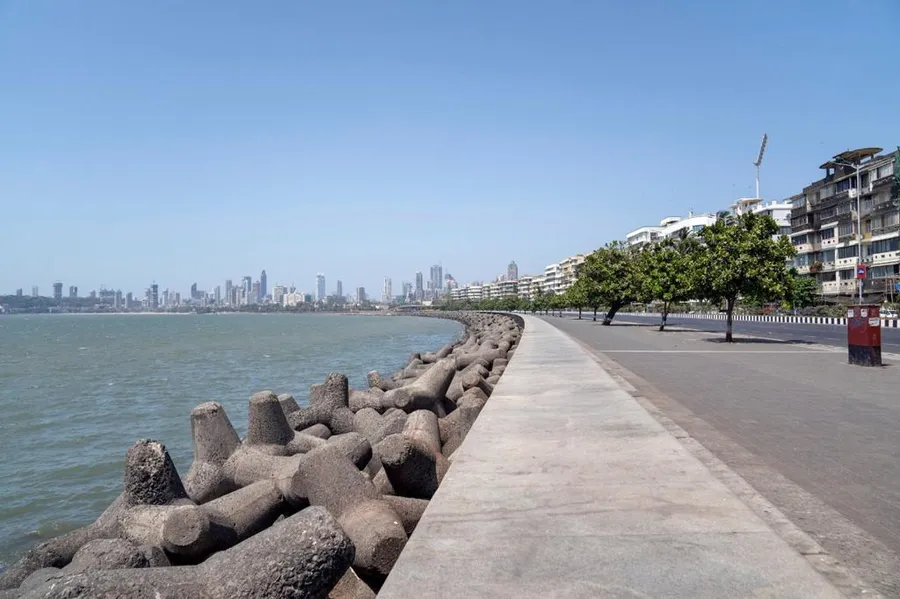
I have lived in two cities that could not be more different from each other. Somewhere between the chaotic local trains and the racing auto drivers, between the dhol and tashas of Ganesh Chaturthi and the garba circles of Navratri, between nights at Marine Drive and morning cycling runs at Sabarmati Riverfront, I started noticing something that no marketing textbook had told me. Two completely opposite cities. The same consumer.

The City Is the Product
Mumbai never lets you forget what it is selling. The phrase "a city that never sleeps" is not poetry, it is a brand promise. The local train is not just transport, it is the city's delivery mechanism for its core value: speed. Ahmedabad sells something quieter. The pols, those old walled neighbourhoods where the same families have lived for generations, are not just architecture. They are a city saying: we know who we are, and we are not in a hurry to prove it. Two completely different brand promises, producing almost identical consumers.
Food Tells You Everything About Consumer Behaviour
The vada pav in Mumbai is Rs. 20 and chosen by people who could easily afford more. The fafda-jalebi in Ahmedabad on a Sunday morning costs next to nothing and is eaten by everyone. Neither city eats cheap because it has to. Both have turned value-seeking into a cultural virtue. The Ahmedabad palate does not compromise. Brands that tried to healthify Gujarati food found this out the hard way. Mumbai's street food loyalties are just as stubborn. In both cities, food is not preference. It is identity.
Without really meaning to, both cities built the most efficient media channel imaginable. The same person, every morning, zero ad spend, hundred percent attention.
And then there is chai. Not the cafe version with oat milk and a printed sleeve, but the cutting chai in a paper cup, Rs. 10, handed to you by someone who already knows how you take it. In Mumbai it punctuates the workday. In Ahmedabad it is the reason the conversation does not end.
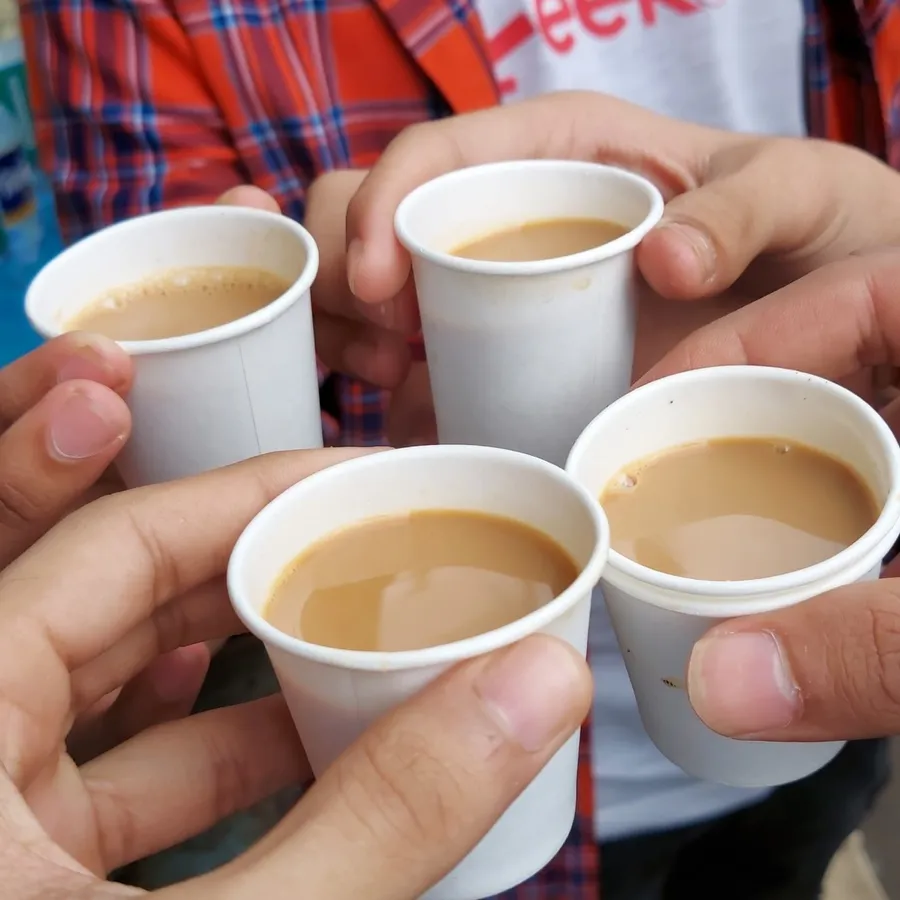
Both cities run on regulars. Not habit. Pattern.
Culture as Consumer Logic in Indian Cities
Navratri shuts Ahmedabad down and rebuilds it. Ganesh Chaturthi does the same to Mumbai. The city does not just participate in the festival. It reorganises around it. Brands that tried to show up without understanding this paid for that ignorance quickly. The pol and the chawl look like different worlds. But both create tight micro-communities where buying decisions are social and the individual consumer barely exists. It is always a family, a building, a neighbourhood making the call.
The Same Consumer, Different Cities
Mumbai teaches you to move. Ahmedabad teaches you to pause. Two different operating systems, same values underneath: community, loyalty, ambition, and a very clear sense of self. The marketer who reads only the surface gets it wrong. The one who goes a layer deeper finds the same consumer wearing different clothes in two different Indian cities.
Rules of Engagement for Brand Strategy in India
- Earn trust before you earn attention. The consumer already has their chai stall and their farsan shop. A brand that leads with a discount gets a transaction. A brand that builds familiarity gets a customer.
- Sell to the community, not the individual. The real entry point is not one person making a rational choice. It is the neighbourhood they trust. Your GTM needs to reflect that.
And that, I think, is the most important thing these two cities taught me.