The brief nobody wrote down
Lahori Zeera, sown in a kitchen of Punjab, with three cousins, without a pitch deck, without any market research firm, and without any detailed elevator pitch. A brand that focuses on its true value, its cultural relevance and relatability to something that felt home.
India is a massive consumer of jaljeera, shikanji and sodas of the world, of course, through informal channels, unbranded sales, and are sometimes the best at the local corner tapri's.
Zooming out, Indian F&B is projected to grow to USD691 Billion by 2030, and ethnic beverage remains largely unorganised, making Lahori Zeera not just a first mover, but a change maker.
The problem wasn't the drink. It was the dignity.
The Colas of the world communicated aspiration. The consumers perceived the street-side jeeras to be local, in a way where the local jeeras are an outdated drink.
This perception drives consumption, and Lahori Zeera breaks it. Breaks it through bringing in pop culture, bringing in the cultural pride, and bringing in the essence of what is our own.
To make desi the new cool is a statement that redefines the Indian local drink category, which is currently dominated by global leaders.
Every decision was a brief decision
Honestly, Lahori Zeera is a study that breaks every single norm of traditional marketing. It positions itself as a massy product, yet gives itself a premium touch and feel. It prices itself at ₹10, calling out its "apna desi thanda" energy loud. The pricing decision shows the fact that we are for the desis. We are embedded in our culture, and we drive the force.
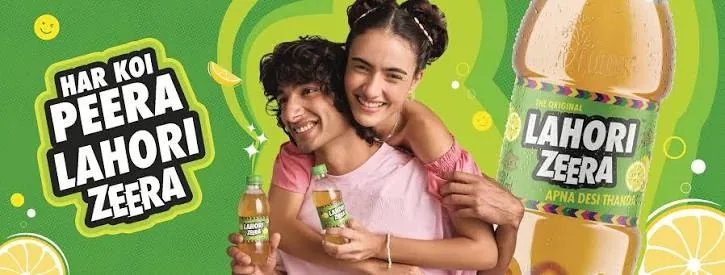
When we break this down, there's no functionality, no health benefit, no clinical attributes. Instead, the focus remained on the purity of the culture, the Punjabi heritage, cross-border references, and a sense of pride and belongingness with a twisted youthful energy.
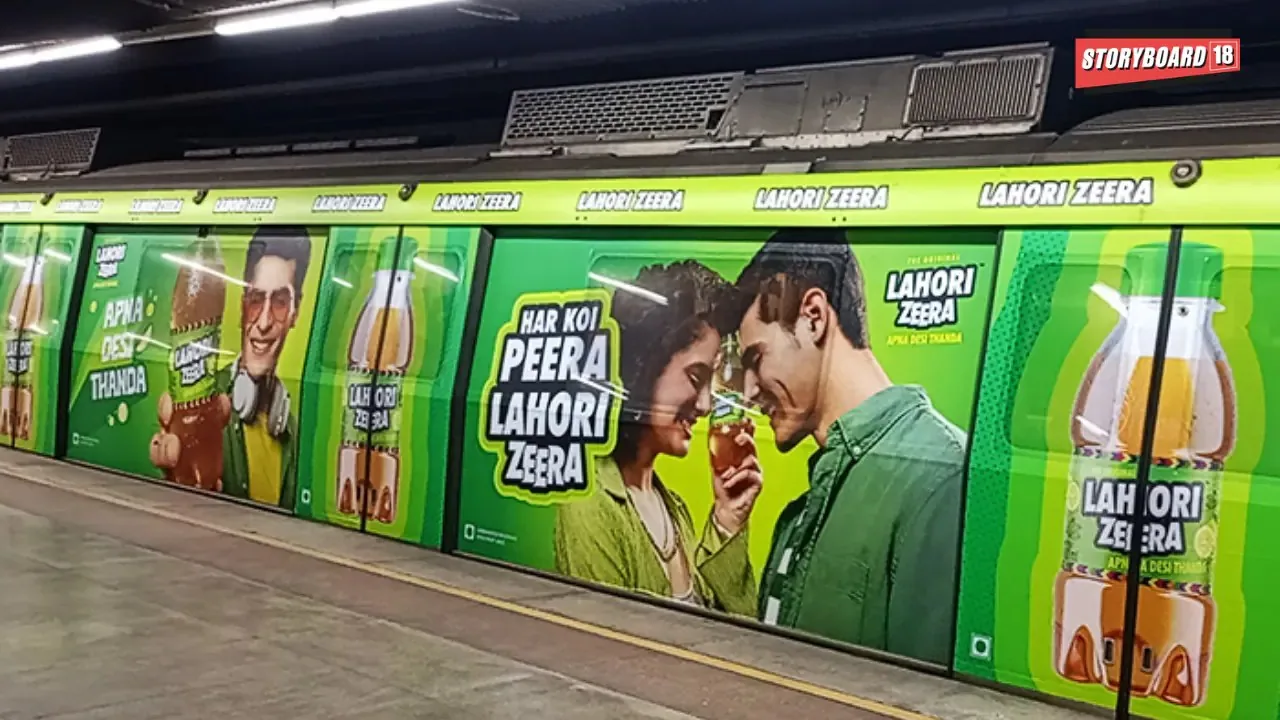
And to top it off, it's everywhere. It makes the last mile connectivity dream, a reality.
The brief they wrote for Bharat, not India
As Indian consumers, we are always inclined towards what feels homely. It comes from a space of values, comfort, and a sense of belonging. While the Colas built for an urban India, Lahori went down to SEC 2 and 3, where SEC 1 became a byproduct market. From dhabas to temples to bus stops to metros, Lahori Zeera was everywhere.
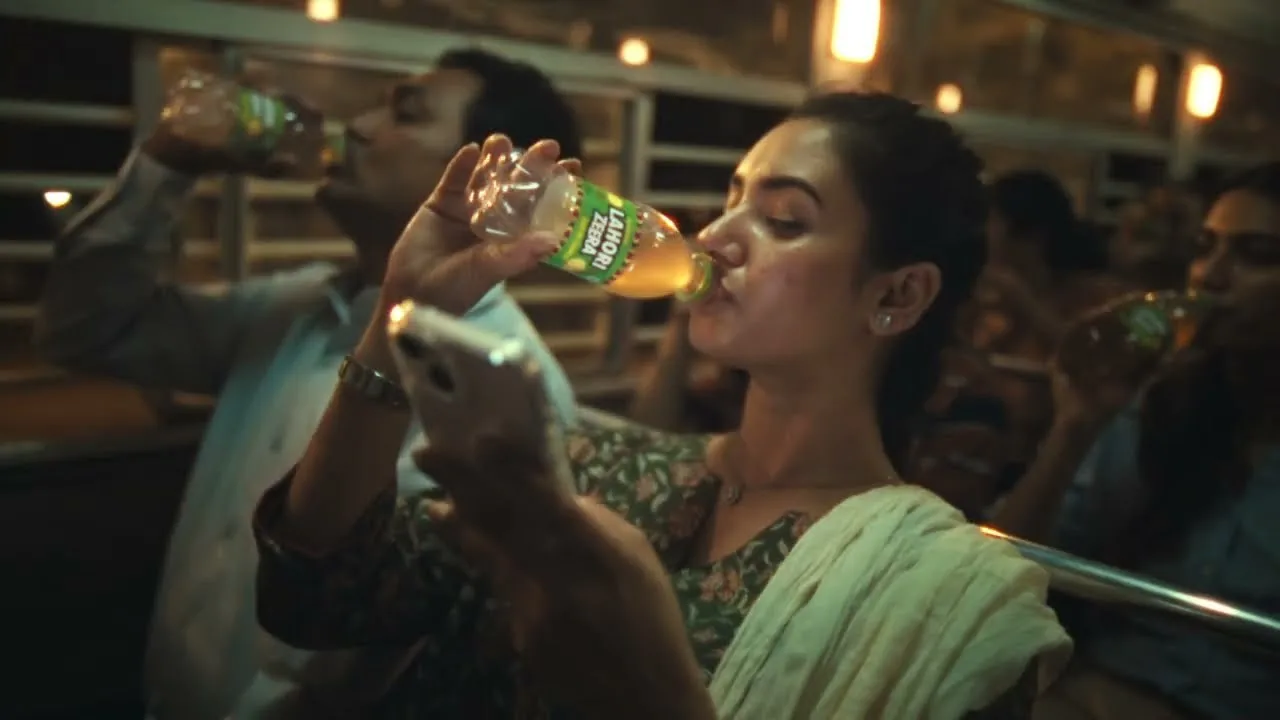
Three audiences, three different briefs
The Street-Food Socialite, the Desi Soda Lover, the Fusion King — three different people, one brand holding them together.
Foodie
Soda Lover
King (Queen)
Three audiences. One brand. One brief.
The next brief and the gaps still unclaimed
The desi market is breached, the ₹10 PET bottle owns Bharat, and there is an untouched territory, where aluminium cans, sugar-free options, and making it the desi mixer adds the cherry on the top.
Lahori Zeera is a study in what cultural embedding looks like. When consumers get something that's their own, at a price they desire, fine margins become massive profit stories. And as marketers, it sometimes also teaches us the fact that not everything is blingy, not everything is supposed to be Netflix worthy, and sometimes something that works out is as close as it is, like in our kitchens.